You may not be familiar with the phrase glucagon-like peptide-1 (GLP-1), but you’ve likely heard the brand names, like Ozempic, Wegovy or Zepboud.
Regardless of the name, these medications help control blood sugar and support weight loss by helping the body use insulin and slowing how quickly food leaves the stomach. Together, these effects help manage blood sugar and promote weight loss. They mimic natural hormones that people with diabetes or obesity may not produce enough on their own.
How GLP-1s affect appetite and food choices
Because GLP-1s suppress the appetite and leave food in the stomach for longer, they have a direct impact on how much food you eat and what foods feel best. You may find that you feel satisfied with smaller portions or that certain foods are harder to tolerate. That makes food choices more important than ever.
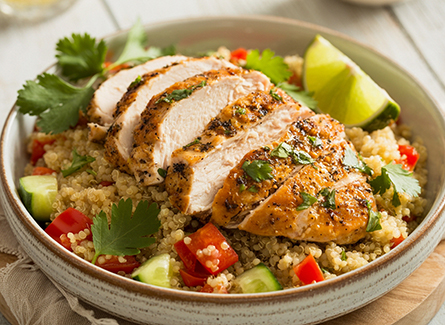
At the grocery store, you may see foods labeled GLP-1 friendly. While that label may be helpful to some, I think it is easier to focus on the two Ps: protein and produce. These foods are lean and nutrient-dense, providing the most nutrition for the smallest amount.
Good sources of protein include:
- Fish
- Chicken
- Pork
- Eggs
- Cheese
- Greek yogurt
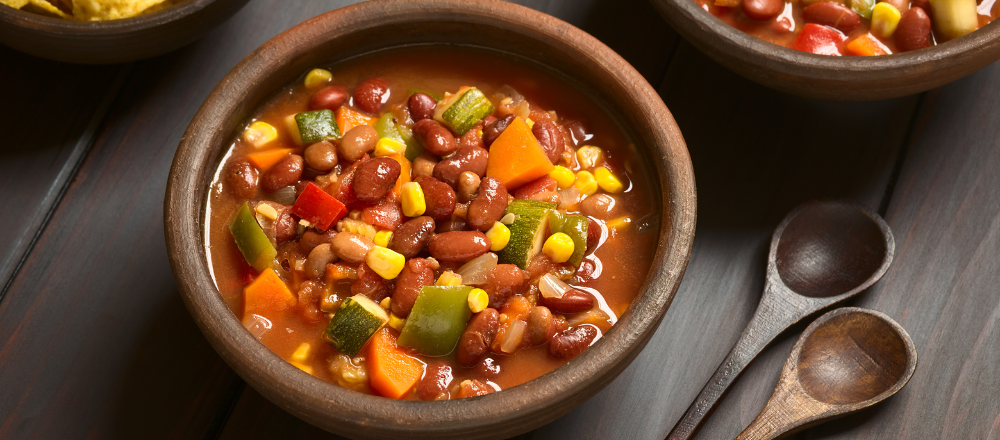
- Beans
- Nuts
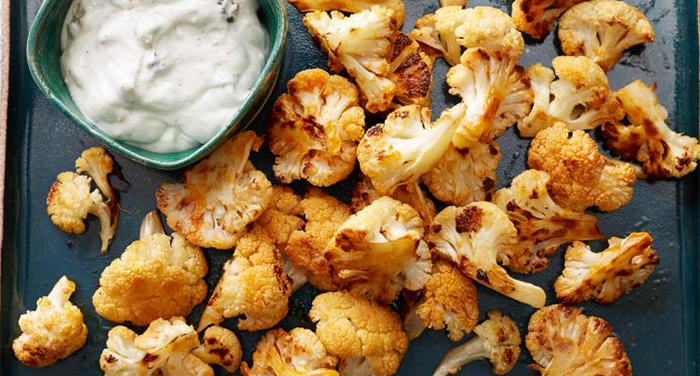
Fruits and vegetables are also important because they have fiber, which helps with digestion and can ease constipation, one of the most common side effects of these medications. Getting fiber from whole fruits and vegetables can come in any form — canned, frozen or fresh — and keep things moving and help with those side effects.
Along with weight loss, muscle loss is often seen with GLP-1 diets. Getting adequate protein is one way to maintain muscle mass, but it can be helped with a little strength training. This can be done with whatever you are most comfortable with — free weights, resistance bands or even your own body weight. The goal is to stay consistent and support your body as it adjusts.
Here are some tips to get you started.
Stay hydrated, even if you're not thirsty
As appetite decreases, thirst often does too. Even if you don’t feel thirsty, it’s important to stay hydrated. Aim for about 64 ounces of water each day, or roughly four 16-ounce bottles. Staying hydrated also helps manage side effects like constipation.
Speaking of fluids, the body can respond differently to alcohol with GLP-1 medications. It may lower your tolerance and increase the likelihood of those dreaded side effects, nausea, constipation or diarrhea. From a nutrition standpoint, the biggest concern is mixers. Sugary or carbonated drinks can add calories and may irritate your stomach.
The bottom line is to focus on quality over quantity. With a smaller appetite, there’s less room for foods that don’t offer much nutritional value. Choosing protein-rich foods, adding fruits and vegetables, staying active and drinking enough water can help you manage side effects and support your overall health. Small, consistent choices can make a big difference in how you feel and how well the medication works for you.