Proactive ways to manage the side effects of weight loss medications
December 2, 2025By: Kim Shopper
Categories: Weight Loss Management
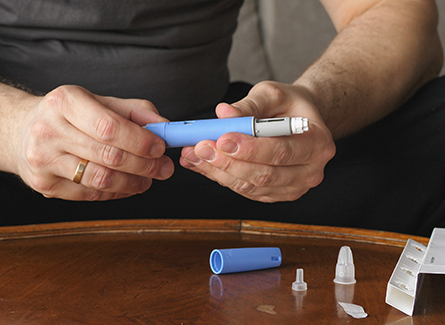
Semaglutide and tirzepatide medications, also known as GLP-1 receptor agonists, are sold under brand names like Ozempic® and Wegovy® (both semaglutides) and Mounjaro® and Zepbound® (both tirzepatides). They have gained widespread attention for their effectiveness in treating type 2 diabetes and supporting weight management. These medications mimic a natural hormone called GLP-1, which helps regulate blood sugar levels and appetite.
While GLP-1 receptor agonists can offer significant health benefits, they can also cause side effects, especially when treatment begins or dosage increases. The staff at NKC Health’s Total Weight Loss share these proactive strategies to manage side effects.
1. Ease into eating
Food choice matters! High fat foods and high sugar foods/drinks seem to be the worst for triggering GI effects, but the combination of high fat with high carb (pizza, ice cream, donuts, French fries and even avocado toast) can be especially tough. Prioritize lean protein followed by vegetables and then other food items for the end of the meal.
Nausea is one of the most common early side effects. To minimize discomfort:
- Eat smaller, more frequent meals instead of three large ones.
- Avoid fried, greasy or spicy foods that can irritate the stomach.
- Don’t lie down right after eating; give your body time to digest — allow at least two hours before bedtime.
- Prolonged fasting can also cause nausea.
If nausea occurs, try sipping ginger tea or cold, clear liquids to settle your stomach.
2. Stay hydrated
These medications can reduce appetite, which sometimes can also affect thirst and lead to lower fluid intake. Dehydration can worsen constipation, fatigue or dizziness. To compensate:
- Aim for at least 64 ounces of water a day.
- Include water-rich foods like fruits, soups and vegetables. Fruits are good but limit to no more than two daily servings, especially if insulin resistant.
- Add a splash of lemon or cucumber, if plain water is difficult to drink.
3. Support digestive health
Constipation can be another common side effect. To keep things moving:
- Increase fiber gradually by eating more vegetables, beans and some fruit. Fiber supplements, such as sugar-free Metamucil®, can also be helpful, but check with your healthcare provider before using fiber supplements or stool softeners.
- Stay active — gentle movement like walking helps stimulate digestion.
4. Watch for low blood sugar
If you’re taking a GLP-1 receptor agonist along with insulin or other diabetes medications, your blood sugar could dip too low. To help prevent this:
- Ask your physician if your medications should be adjusted.
- Keep glucose tablets or a small snack handy.
- Monitor your blood sugar daily, especially when adjusting doses.
- Report any symptoms like shakiness, sweating or confusion to your provider.
- Eat protein at the beginning of each meal.
Low blood sugar is rare if there is no history of diabetes.
5. Take it slow
Your healthcare provider may gradually increase your dose to help your body adjust. Rushing this process can make side effects worse. Follow your dosing schedule closely and communicate any persistent symptoms before making changes. Make sure all side effects from the current dose are resolved before increasing to the next dose.
6. Monitor emotional and physical well-being
Some users report fatigue, headaches or mild mood changes early on. Prioritize sleep, manage stress with relaxation techniques and maintain a balanced diet to support your body’s adjustment period.
7. Stay in touch with your provider
Every person reacts differently to these medications. If side effects persist or become severe, such as vomiting that keeps you from drinking fluids, abdominal pain or signs of pancreatitis, contact your healthcare provider promptly. They can adjust your dosage and recommend medications to help manage symptoms.
GLP-1 receptor agonists can be powerful tools for improving health but like any medication, they work best when used with mindful self-care. By making small adjustments to your eating habits, hydration and daily routine, you can ease side effects and stay on track toward your health goals.
Always consult your healthcare provider before making any medication or dietary changes. The experts at NKC Health Total Weight Loss can help you achieve better health with a range of weight loss solutions and personalized support.
Explore more