Why the Mediterranean diet works and how to start today
May 28, 2026By: Joel Francis
Categories: Nutrition
The Mediterranean diet is becoming widely adopted around the world as organizations from the AHA to the ACS recommend it to their patients.
It’s known for a balanced approach, rich flavors and a long history. The focus is on whole foods that support heart health and overall wellness along with eating patterns instead of a strict eating regimen.
So, how does it look to eat the Mediterranean way, and why are healthcare providers recommending it?
What is the Mediterranean diet?
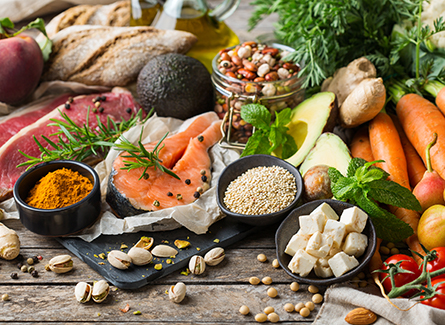
The Mediterranean diet isn't a strict set of rules, but rather a lifestyle inspired by the traditional eating habits of people living near the Mediterranean Sea. It focuses on the foundation of fresh, plant-based foods while emphasizing community and movement. Here is a breakdown of how to structure your meals:
- Daily essentials: Build your plate around a variety of vegetables, fruits and whole grains. Use healthy fats like olive oil as your primary source of lipids and flavor your food with herbs and spices instead of extra salt.
- Weekly proteins: Incorporate fish, poultry, eggs and legumes (like beans and lentils) several times throughout the week.
- Moderate choices: Enjoy dairy products in sensible portions. If you drink wine, do so in moderation.
- Items to limit: Save red meat and sugary treats for rare occasions.
Beyond the food, this lifestyle encourages staying active and sharing your table with others to nourish both your body and your social connections.
Why is the Mediterranean diet good for my health?
The short answer is because the diet emphasizes healthy eating and improves health outcomes.
According to Mayo Clinic, a 1960s study found that cardiovascular disease was linked to fewer deaths in some Mediterranean countries, such as Greece and Italy, than in the U.S. and northern Europe.
We’ve known that this diet has led to better outcomes for some time. Because the Mediterranean diet is rich in fiber, antioxidants and healthy fats, it supports heart health and brain function. These nutrients also help lower inflammation, provide steady energy and support healthy aging.
How do I bring this diet into my daily life?
Most of the recommended foods in the Mediterranean diet are affordable and readily available. Some can even be grown at home. Get started with these tips.
- Eat daily
- Fruits and veggies
- Whole grains
- Beans and legumes
- Nuts and seeds
- Olive oil, herbs and spices
- Eat weekly
- Seafood
- Poultry and eggs
- Low-fat cheese and yogurt
- Eat every so often
- Red meat
- Sweets
BONUS: Because of its antioxidant properties, red wine is a staple in the Mediterranean diet. The recommendation is no more than one 5 oz. drink daily for women and two 5 oz. drinks daily for men. If you’re of legal drinking age, enjoy a glass … in moderation, of course.
Want to learn more?
The Mediterranean diet is not a strict plan. It encourages balance and enjoyment while supporting long-term health. Small changes can make a meaningful difference. Start with one or two habits and build from there. Check out some recipes in our Health Library.
Our outpatient nutrition counseling services, provided by registered dietitians, can help get your diet on the right track. Ask your primary care doctor for a referral.