Can a plant-based diet beef up your health?
December 4, 2025By: Kayla Melanson
Categories: Nutrition, Prevention
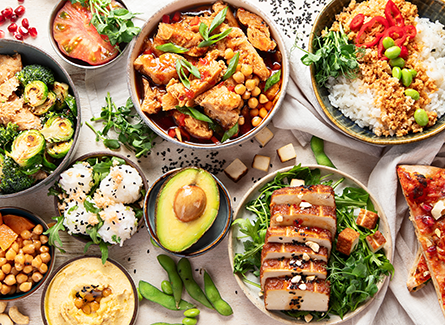
Plant-based eating is no longer just a niche lifestyle; it’s sprouting up everywhere from grocery aisles to gourmet menus. Market trends show plant-based diets flip the script on what it means to eat for nutrition and long-term wellness. The green wave is growing, so let’s dig into how this could be your next health power move.
What is a plant-based diet?
A plant-based diet is best described as a diet that has a focus on plant-source foods, meaning the majority of foods consumed would be plant sources. Think fruits, vegetables, nuts, seeds, beans, soy, etc.
It doesn’t mean you have to be vegetarian or vegan or give up meat and dairy entirely. Instead, it means making plant foods the focus of your meals. Think of it as plants first, everything else optional.
Why choose a plant-based diet?
Eating more plant-based foods isn’t just a trend; science shows it can positively affect your overall health. Here is what the research says:
1. Improved gut health
Plants feed the gut microbiome, which is being shown to have a positive effect in many areas of health. Here are a couple of the benefits to your gut health:
- Fiber feeds good bacteria to promote a more diverse gut microbiome, which is linked to better immune and digestive function.
- Reduces inflammation, which is associated with chronic conditions like IBS, obesity and metabolic syndrome.
2. Cancer prevention
Vegetables, for example, are packed with compounds that help protect cells from damage and support long-term health. Here are some of the ways they contribute to cancer prevention:
- Antioxidants from plants fight free radicals, or unstable molecules that damage cells and DNA.
- Phytochemicals like sulforaphane (found in broccoli) and lycopene (found in tomatoes) have been shown to reduce inflammation and inhibit cancer cell growth.
3. Heart health
Choosing more plants helps improve your cholesterol by lowering the more dangerous cholesterol and building up the 'good' cholesterol. Plant-based diets are linked to lower rates of:
- High blood pressure
- High cholesterol
- Heart disease
4. Weight management
A plant-based diet is one of the best ways to get a variety of nutrients. Plants are packed with fiber, vitamins, minerals and antioxidants. Plant-rich meals are filling but lower in calories and saturated fats than heavy meat or processed meals. This helps with:
- Healthy weight maintenance
- Reduced risk of obesity
- Sustainable weight loss without extreme dieting
What are some common misconceptions about a plant-based diet?
Even though plant-based eating has many benefits, people often have questions or misunderstandings about what it really involves. Here are some common myths you may have heard, and the facts behind them:
- “It’s expensive.”
- Often, plant-based meals are the most cost-effective.
- “I can’t get enough protein.”
- There are many plant proteins that people forget about that could have a significant impact on their health. Be sure to take advantage of foods like tofu, edamame, beans, whole grains and quinoa.
- “It’s too restrictive.”
- That’s really up to you; plant-based eating is about proportion, not perfection.
Ready to freshen up your diet?
The first step would be asking yourself, “Am I even eating fruits and vegetables daily?” Each meal and snack should ideally include a plant. Start small, re-prioritize fruits and vegetables, and just focus on getting them on your plate. Try a meat-free meal once a week and keep building from there.
And remember, you don’t have to do it alone. Millions of people are discovering the benefits of a plant-based diet every day. Connect with friends, share recipes and reach out to your NKC Health dietitian or provider for personalized support. Your journey to better health can start with a single bite.