Why managing cholesterol matters
November 23, 2025By: Trevin Lambert
Categories: Cardiac, Live Healthy, Nutrition, Prevention

Cholesterol isn’t all bad. Your body uses it to build cells, make hormones and digest food. The problem happens when “bad” cholesterol builds up in your arteries, raising your risk for heart disease, stroke and peripheral artery disease.
Think of managing your cholesterol like keeping up with car maintenance. A little proactive care helps you run smoothly and avoid breakdowns.
Cholesterol 101
Cholesterol is a fat-like substance produced by your liver. It travels through your bloodstream. There are two main types:
- LDL (low-density lipoprotein): The “bad” cholesterol. When levels are high, LDL can form plaque in your arteries.
- HDL (high-density lipoprotein): The “good” cholesterol. It helps remove LDL from your bloodstream and carries it to the liver for processing.
- Triglycerides: A type of fat. High triglycerides, paired with low HDL and high LDL, increase your heart risk.
Nutrition strategies to lower cholesterol
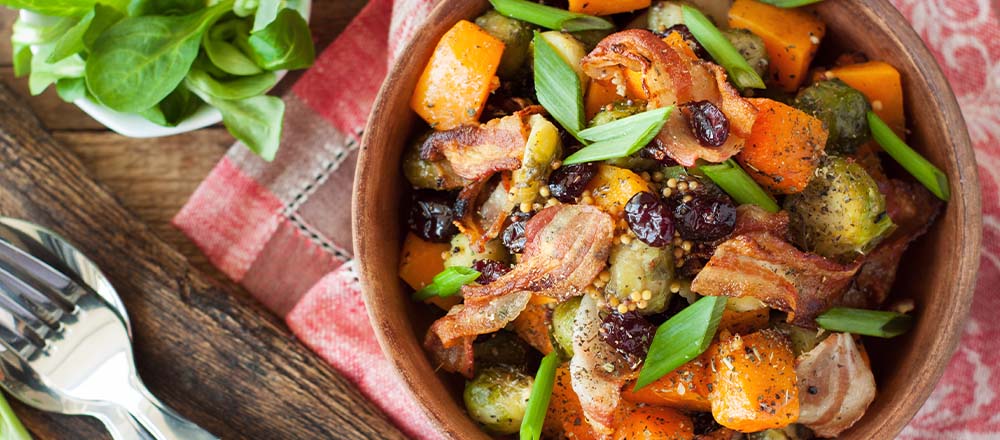
Managing cholesterol doesn’t mean giving up favorite foods; it just means making smarter choices. Start by cutting back on foods high in saturated and trans fats and replacing them with healthier options.
Foods to reduce or avoid:
- Baked goods such as cookies and pastries
- Fatty cuts of beef, pork and lamb
- Butter, cream and full-fat dairy
- Fried foods and processed meats
- Stick margarine, lard and some nondairy creamers
Better choices:
- Lean proteins, like skinless poultry and fish
- Low-fat or nonfat dairy
- Fruits, vegetables and whole grains
- Nuts and seeds
Watch your carbs
Highly processed and refined carbs — such as white bread, sugary cereals and crackers — can cause your liver to produce extra cholesterol. Try to limit these foods and eat them in small to moderate portions.
Eggs and dietary cholesterol
Eggs contain cholesterol but are low in saturated fat. Research shows they can be part of a healthy diet in moderation, especially if your overall saturated fat intake stays low.
Know your numbers
| Metric | Target level |
| Total cholesterol | Less than 200 mg/dL |
| LDL ("Bad" cholesterol) | Less than 100 mg/dL |
| HDL ("Good" cholesterol) | Greater than 60 mg/dL |
| Triglycerides | Less than 150 mg/dL |
These are general targets. Your doctor will consider your age, family history and health conditions when assessing your risk.
Understand your risk factors
Some causes of high cholesterol can’t be managed by diet alone. These include:
- Tobacco use
- Diabetes
- High blood pressure
- Kidney disease
- Family history of early heart disease
Talk with your provider about your individual risks and goals.
Lifestyle changes that help
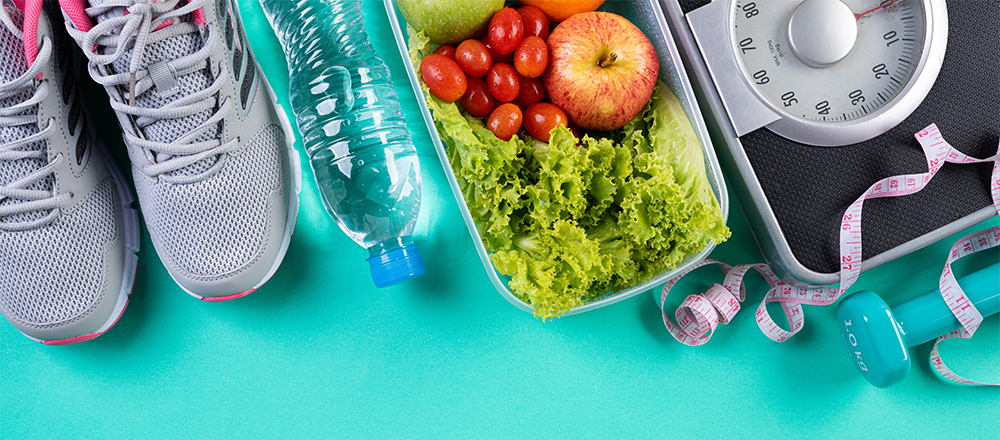
Small, consistent habits can make a big difference.
- Be active: Aim for about 150 minutes of moderate exercise each week, such as brisk walking or swimming
- Maintain a healthy weight: Losing even 5–10% of your body weight can improve cholesterol levels
- Eat for heart health: Cut back on saturated fat, add more fiber and limit refined sugars.
- Quit smoking: Giving up tobacco can help raise your HDL
When medication is needed
If lifestyle changes aren’t enough, your doctor may recommend statins or another cholesterol-lowering drug. Statins work by blocking cholesterol production in the liver, which lowers LDL and can improve other numbers, too.
Like any medication, statins can have side effects, such as muscle aches or digestive issues. Talk with your doctor about the benefits and risks.
Partner with your doctor
Managing cholesterol works best when you stay engaged in your care. Your doctor can:
- Order and interpret your lab tests
- Recommend lifestyle and diet changes
- Adjust or prescribe medication
- Refer you to a cardiologist, if needed
Stay proactive. Ask questions, track your progress and check in regularly.
Explore more
- Don’t Let Dietary Restrictions Stop Steady Nutrition
- 5 Reasons to See a Registered Dietitian Nutritionist
- Nutrition to Help Lower Blood Pressure