Key takeaways:
- Pickleball injuries are on the rise. ER-treated injuries nearly quadrupled from about 8,300 in 2018 to more than 31,000 in 2025 as the sport grows in popularity.
- Falls are the biggest risk — especially for older adults. Falls, slips and trips account for 43% of pickleball-related ER visits, with adults 50 and older making up 83% of those visits.
- Many injuries can be prevented. Warming up, building strength and balance, wearing proper footwear and protective eyewear, taking rest days and paying attention to court conditions can help players stay on the court and reduce their risk of injury.
The Sports & Fitness Industry Association estimates 24 million Americans play pickleball each year. Count me in as one of those players. As a physical therapist, I know the sport’s surging popularity has led to more pickleball-related injuries.
ValuePenguin, a consumer finance and insurance research firm, recently analyzed U.S. Consumer Product Safety Commission data and found that injuries treated in hospital emergency rooms nearly quadrupled — from about 8,300 in 2018 to more than 31,000 in 2025. Falls, trips and slips accounted for nearly half of those injuries.
A growing problem for older adults
Pickleball combines elements of tennis, badminton and table tennis. Its smaller court, lighter paddles and shorter games appeal to people of all ages and abilities.
The sport is especially popular among older adults, who account for the majority of emergency visits. Adults 50 and older accounted for an estimated 125,000 pickleball-related ER visits between 2018 and 2025, according to the ValuePenguin analysis. And half of those visits were by players 65 and older.
By comparison, younger age groups were far less impacted. Adults 18 to 34 and 35 to 49 totaled 6.7% and 6.8% of injuries, respectively. Children and teens younger than 18 made up just 3.1% of overall injuries.
Age is not the only factor impacting injuries on the pickleball court. Men were slightly more likely to visit the hospital due to a pickleball-related injury than women, at 53.3% versus 46.7%. That breaks down to 80,082 estimated ER visits among men, versus 70,162 among women.
Some common injuries players can experience include fractures, usually from falls; strains or sprains from sudden movements or overuse; overhead motion injuries similar to tennis elbow or tendonitis, and eye injuries from fast-moving balls.
Here’s a closer look at how players get injured and the types of injuries.
- Falls were the most common cause. Falls, slips and trips accounted for an estimated 64,753 ER visits between 2018 and 2025, representing 43.1% of pickleball-related injuries. Unspecified injuries accounted for 29.8% while strains, tears and pulls comprised 9.5%.
- Most pickleball injuries aren’t serious. Treated and released cases accounted for an estimated 123,417 visits or 82.1% of the total. Meanwhile, 22,182 visits or 14.8%, resulted in hospitalization or admission.
- Fractures and strains/sprains were the most common injury diagnoses. Fractures accounted for an estimated 35,935 visits or 23.9% of the total. Strains and sprains were the reason for 33,258 visits or 22.1%.
There are many reasons for the increase in injuries. Issues with balance are a primary reason. Proper balance helps players react to quick changes in direction, maintain control during lateral movements and reduce the risk of falls.
Other reasons for injuries include:
- More people, especially older adults, are playing regularly.
- Age-related bone loss, slower reaction times and reduced muscle strength make falls, slips, trips and fractures more likely.
- Outdoor courts with wet or uneven surfaces and improper footwear increase the fall risk.
- Shoulder strains, rotator cuff issues, “pickleball elbow” and repetitive wrist/forearm stress are common as players push through fatigue.
- Ankle sprains, knee strains, Achilles tendon issues and even eye injuries from fast net play are increasingly common.
Many injuries are preventable with proper warm-up, conditioning, footwear and court awareness.
- Warm up before and cool down after play.
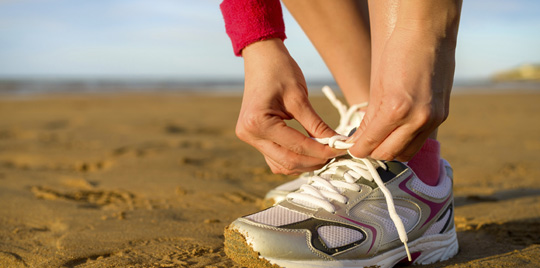
- Use proper footwear for quick lateral movements.
- Maintain strength and balance, especially for older players.
- Wear protective eyewear.
- Avoid overtraining; include rest days.
- Be mindful of court conditions, especially outdoors.
Our goal isn’t to keep people off the pickleball court — it’s to help them stay on it safely. With proper preparation, appropriate footwear and a gradual approach to increasing activity, most people can enjoy the game while reducing their risk of injury.
The spike in pickleball ER visits is a reflection of the sport’s popularity, not a sign that it’s unsafe. With awareness and preventive measures, most players can enjoy the benefits of pickleball while reducing injury risk.
If you need help recovering from a sports injury, contact the NKC Health Physical Therapy and Sports Medicine program. Our experienced team of therapists will work to return you to your daily activities. You can even directly schedule your own physical therapy appointment at any of our locations. Most insurance covers our services. Schedule your appointment here or for more information, call (816) 691-1795.