High-protein everything: Trendy or truly healthy?
July 14, 2026By: Lindsey Robinson
Categories: Nutrition
Key takeaways
- Protein is essential for building and repairing muscles, supporting the immune system and helping people feel full longer, but most Americans already get enough through regular foods like meat, eggs, dairy, beans and nuts.
- The rise of “high-protein” foods is driven largely by marketing and consumer demand, leading manufacturers to add protein powders to products like cereal, chips, pancakes and ice cream.
- Protein-focused eating can support healthy habits, weight management and steady energy when it comes from nutrient-rich foods such as Greek yogurt, nuts, lean meats and plant-based proteins.
- Not all “high-protein” products are healthy — many are highly processed or high in sugar, sodium or saturated fat — so experts recommend focusing on balanced meals with whole foods instead of chasing protein in every snack.
Walk through any grocery store and one thing becomes clear: protein is having a moment. From protein coffee and cereal to pancakes, chips and even ice cream, foods once marketed as indulgences are now being rebranded as “high protein.” Social media influencers tout protein-packed diets as the key to weight loss, muscle gain and endless energy.
But is the high-protein craze actually healthy, or is it simply the latest nutrition trend?
Why protein matters
Protein is essential for the body. It helps build and repair muscles, supports the immune system and keeps skin, hair and organs functioning properly. It can also help people feel full longer, which may reduce overeating and snacking.
The protein needs of athletes, older adults and people recovering from illness or surgery, may be higher than average. Adequate protein intake can help maintain muscle mass and strength as people age.
Why it’s suddenly everywhere
Nutrition experts say the surge in protein marketing is partly driven by consumer demand for foods that feel both healthy and convenient. Unlike some diet trends that focus on restriction, protein has a positive reputation.
Many Americans already consume enough protein through everyday foods such as chicken, fish, eggs, dairy, beans and nuts. However, food manufacturers have found ways to add protein to products that traditionally contained little of it — often using whey, pea or soy protein powders.
The result? A booming market filled with foods promising extra grams of protein in every bite.
The healthy side of the trend
In some ways, the focus on protein can encourage better eating habits. Choosing Greek yogurt instead of sugary yogurt or eating nuts instead of candy may provide more nutrients and longer-lasting energy.
Protein-rich meals can also help stabilize blood sugar and support healthy weight management when paired with fruits, vegetables and whole grains.
When “high protein” becomes marketing
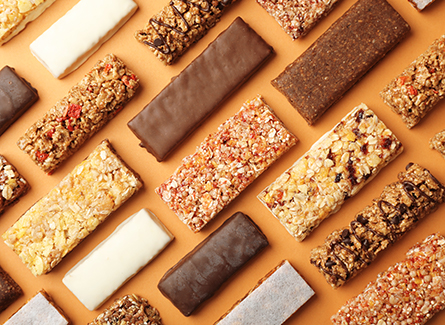
Not every protein product deserves its health halo. Some protein bars, shakes and snacks are highly processed and packed with added sugar, sodium or saturated fat. Others may contain only slightly more protein than regular versions while costing significantly more.
Experts caution that “high protein” on a label does not automatically mean nutritious. Reading ingredient lists and nutrition facts remains important.
Can you get too much protein?
For most healthy people, moderate increases in protein are not harmful. But consistently consuming excessive amounts — especially from processed foods or supplements — may crowd out other important nutrients like fiber, fruits and vegetables.
People with kidney disease or certain medical conditions should talk with their healthcare provider before significantly increasing protein intake.
Finding balance
The high-protein trend is not entirely hype. Protein plays an important role in overall health, and many people can benefit from making smarter protein choices. But nutrition experts emphasize balance over extremes.
Rather than chasing protein in every product, focus on meals built around whole foods: lean meats, seafood, eggs, beans, nuts, dairy and plant-based proteins.
In other words, protein can be part of a healthy lifestyle — just don’t let the marketing fool you into believing every “protein-packed” snack is automatically good for you.
Expert help for answers
If you have questions about healthy eating and proper nutrition, our NKC Health nutrition counseling program can help.
Nutrition counseling requires a physician’s referral. Ask your doctor to make a referral through NKC Health's Scheduling Office at (816) 691-5267.