Getting stronger after 60: It's never too late to start moving
August 11, 2026By: Snizhana Weber
Categories: Your Wellness
Key takeaways
- It's never too late to get stronger.
- Train for everyday life.
- Consistency matters more than intensity.
One of the biggest myths I hear is, "I'm getting older, so it's normal to slow down."
While our bodies naturally change with age, much of the decline people associate with aging comes from being less active, not simply getting older. The good news is that your body can respond to exercise at almost any age. Whether you're 60, 70 or beyond, building strength can help you stay independent so you can continue doing the things you enjoy.
Train for life, not the gym
When people hear "strength training," they often picture lifting heavy weights or building bigger muscles. I encourage my patients to think differently.
After age 50, we gradually lose muscle mass. More importantly, we lose strength and power even faster. Power is your ability to move quickly and react when you need to. It's what helps you get out of a chair, climb stairs, catch yourself if you stumble or get up from the floor.
The good news is that strength and power are trainable. Instead of training for the gym, train for the life you want to live. Whether your goal is traveling, playing with your grandchildren, working in the yard or carrying groceries with ease, those are the movements you prepare for.
Strong muscles support healthy aging
Strong muscles do more than help you move. They support a healthy metabolism, speed recovery after illness or surgery and make everyday activities easier. Just as importantly, they help you maintain your independence, one of the strongest predictors of quality of life as you age.
I often tell patients that the goal of exercise isn't to perform better during a workout. It's to function better during everyday life.
A balanced routine is the key
Walking is one of the best things you can do for your health, but it shouldn't be the only thing you do.
The Centers for Disease Control and Prevention recommends that adults 65 and older get at least 150 minutes of moderate-intensity aerobic activity each week, along with muscle-strengthening activities at least two days a week. Balance exercises also play an important role in reducing the risk of falls. The National Institute on Aging advocates including endurance, strength, balance and flexibility exercises as part of a well-rounded routine.
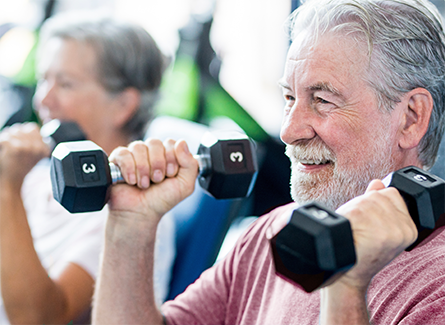
You don't have to spend hours exercising to see results. A 20- to 30-minute workout that combines resistance exercises with brisk walking, cycling or another aerobic activity can be very effective. Resistance bands, bodyweight exercises and light weights are all excellent ways to build strength.
The key isn't perfection. It's consistency.
Be intentional about movement
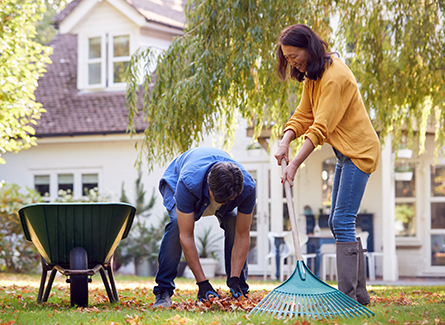
Gardening, housework and running errands are valuable forms of movement, but they don't replace exercise that challenges your muscles and improves balance.
Treat exercise like any other important appointment. If you're just getting started, aim for two strength-training sessions each week and build from there. Small changes made consistently can have a lasting impact.
Start safely and make it enjoyable
If you haven't exercised in years, don't let that stop you.
Begin with activities that match your current fitness level. Warm up before you exercise and cool down afterward with gentle movement and stretching.
If you're unsure where to begin, ask for guidance. A fitness professional or physical therapist can help you learn proper techniques and build a program that fits your goals and abilities. The NKC Health Fitness Center and Wellness Pool provides access to a supportive environment, expert guidance and resources to help reach your health and fitness goals.
Most importantly, choose activities you enjoy. Whether that's walking your dog, joining a fitness class, riding a stationary bike, gardening or following an online workout at home, you're more likely to stick with an exercise routine that fits your interests and lifestyle.
Invest in your future
It's easier to maintain strength than to regain it, so don't wait until everyday tasks become difficult. Start where you are, stay consistent and remember that every walk, every strength-training session and every balance exercise is an investment in your future. The strength you build today can help you stay active, independent and confident for years to come.