Key Takeaways
- Antimicrobial resistance can affect anyone. Resistant infections are harder to treat and can lead to more severe illness, longer hospital stays and higher healthcare costs.
- Using antimicrobials responsibly matters. Taking antibiotics when they aren’t needed, misusing medications or not taking them as prescribed can contribute to drug-resistant germs.
- Everyone can help slow resistance. Use antibiotics only when prescribed, follow directions, stay up to date on vaccinations and practice good hand hygiene and infection prevention.
Imagine getting a cut that won’t heal because antibiotics no longer work. Or developing a common infection that becomes difficult — or even impossible — to treat. While modern medicine has made remarkable advances, antimicrobial resistance (AMR) is threatening to turn back the clock.
Antimicrobial resistance occurs when bacteria, viruses, fungi or parasites change over time and no longer respond to the medicines designed to treat them. When this happens, infections can become harder — and sometimes impossible — to treat. Resistant infections can lead to more severe illness, longer hospital stays, additional treatments and increased healthcare costs. It’s one of the most significant public health challenges today.
AMR isn't just a concern for people who are already sick. It can affect anyone, at any age. It also threatens many of the medical advances we rely on today. Effective antibiotics are essential for preventing and treating infections associated with surgeries, cancer treatments, organ transplants and other medical care.
The problem is growing. The World Health Organization reported that about one in six laboratory-confirmed bacterial infections causing common infections worldwide were resistant to antibiotics in 2023.
How antimicrobial resistance is a growing concern
Antimicrobials — including antibiotics, antivirals, antifungals and antiparasitic medications — have transformed healthcare by treating infections and making surgeries, cancer treatments and organ transplants safer. However, over use and misuse of these medications have accelerated the development of resistant germs.
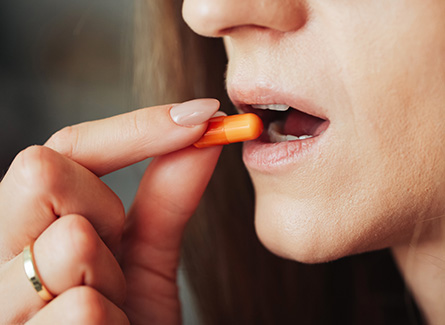
Antimicrobials do not work for viral illnesses, such as colds, flu or sore throats. Taking antibiotics when they aren’t needed allows bacteria to adapt and become resistant, making future infections difficult to treat.
Whenever antibiotics or other antimicrobials are used, they put pressure on germs. Some germs may survive treatment because they have or develop resistance traits. Those germs can multiply and spread, making future infections more difficult to treat. Resistant germs can also spread between people, animals and the environment.
- Resistance is also worsened by:
- Not taking medications as prescribed
- Using leftover antibiotics or someone else’s medication
- Overprescribing antibiotics when not needed
- Using antibiotics routinely in livestock production
- Practicing poor infection prevention and control practices
What can you do?
Everyone has a role in slowing antimicrobial resistance. A few simple actions can make a difference:
- Only take antibiotics when prescribed and never pressure your provider for an antibiotic if not necessary
- Take medications as prescribed (don’t skip doses, stop treatment early or save leftover medication)
- Stay current on vaccinations
- Wash your hands, cover coughs and sneezes, stay home when sick and keep wounds clean
- Practice safe food handling, cooking and storing to reduce foodborne illnesses
Antimicrobial resistance isn’t just a concern for hospitals — it’s a problem that affects everyone. If resistant infections continue to increase, routine surgeries, chemotherapy, joint replacements and even childbirth could become riskier because treating infections would be more difficult.
The next time you’re prescribed — or not prescribed — an antibiotic, remember that responsible use protects not only your health but also the health of your family, your community and future patients.