Key takeaways:
- Smoking damages your lungs and can lead to COPD, respiratory problems and cancer.
- Smoking affects your heart and blood vessels, increasing the risk of heart disease, heart attack and stroke.
- Quitting smoking can help your body begin to recover and lower your risk of serious health problems.
Quit Smoking for Good
Ready to quit? Join NKC Health’s supportive tobacco-free program with weekly Zoom classes, peer encouragement, guidance on medications, mindfulness exercises and helpful text reminders. Take steps toward a healthier, smoke-free life.
The days of your doctor smoking a cigarette during a standard hospital visit are but a distant memory left in the 20th century. Now, we know smoking is bad. We know it can cause cancer. But do you know what smoking actually does to your body?
What is considered smoking?
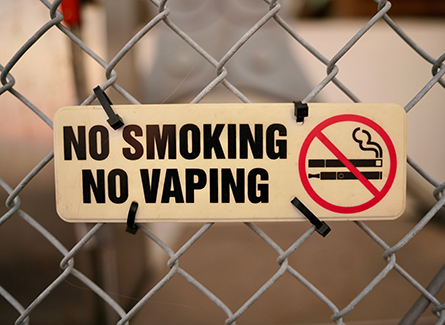
Just to be clear, we are talking about cigarettes, vapes, cigars and any other form of smoke in your lungs. By smoking, you’re inviting thousands of harmful chemicals into your body. This not only increases the risk of cancer, but also heart disease, stroke and other chronic diseases. Smoking leads to nearly 500,000 deaths in the United States each year. It accounts for about one in every five deaths nationwide. In fact, according to the Centers for Disease Control and Prevention (CDC), smoking is the leading preventable cause of death.
How does smoke affect your lungs?
Harmful chemicals enter the respiratory system every time you inhale. Over time, these chemicals can damage lung tissue and make it harder for your lungs to function.
Smoke can damage the tiny air sacs in your lungs where oxygen moves into your blood. It can also damage the tiny hairs, called cilia, that help clear mucus and particles from your airways. When these defenses are damaged, mucus and harmful particles can build up, making it harder to breathe and increasing the risk of respiratory infections.
Smoking also inflames and irritates the airways. Over time, this can contribute to chronic obstructive pulmonary disease (COPD), a group of lung diseases that include emphysema and chronic bronchitis. Smoking is also responsible for about 80% to 90% of COPD deaths.
And then there is cancer. Tobacco smoke contains chemicals that can damage DNA and cause changes in cells. This is one reason smoking is linked to lung cancer and several other types of cancer.
Does smoking affect heart health?
Your lungs aren't the only organs affected by smoking. Your heart and blood vessels feel the effects, too.
Chemicals in tobacco smoke can damage the lining of your blood vessels and make your blood more likely to clot, increasing the risk of cardiovascular events. Smoking also increases plaque buildup in the arteries, which can restrict blood flow. At the same time, carbon monoxide in cigarette smoke reduces the amount of oxygen your blood can carry.
Together, these effects put extra stress on your cardiovascular system and increase your risk of heart disease, heart attack and stroke.
How does smoking affect the brain?
Nicotine in tobacco products affects the brain and can lead to addiction. When nicotine reaches the brain, it triggers the release of dopamine, a chemical involved in pleasure and reward. Over time, the brain adapts to repeated nicotine exposure, which can lead to cravings and withdrawal symptoms when you try to quit. Smoking also affects blood vessels and reduces the amount of oxygen available to the brain, which can contribute to an increased risk of stroke.
How does smoking affect the rest of the body?
The effects of smoking don't stop at your lungs, heart and brain. Smoking can weaken your immune system, making it harder for your body to fight infections and heal from injuries. It can also affect your bones, digestive system and reproductive health.
Smoking is also linked to an increased risk of cancer throughout the body, including cancers of the mouth, throat, esophagus, stomach, pancreas, kidney and bladder.
The good news is that while the solution may be challenging, it is pretty straightforward: stop smoking. Your body begins to recover fairly quickly after you stop smoking.
How can I quit smoking?
Quitting smoking is one of the most important things you can do for your health, but that doesn't mean it’s easy. Nicotine is highly addictive. After you quit, your body can benefit from these positive side effects:
- Your heart rate begins to drop within minutes.
- Carbon monoxide levels in your blood decrease.
- Circulation and lung function improve over time.
- Your risk of heart disease, stroke and lung cancer continues to decrease the longer you remain smoke-free.
Here are some other helpful resources to help you quit:
The first step is talking with your healthcare provider. They can help you choose a quit-smoking plan based on your habits and health history. Counseling, support programs and medications can all help manage cravings and withdrawal symptoms.
You don't have to quit smoking on your own. NKC Health offers resources and support to help you breathe easier and move toward better health. Join us for Quit Smoking for Good to learn strategies for quitting tobacco and managing cravings.