A family’s race against a silent heart threat
February 13, 2026By: Kim Shopper
Categories: We are NKC Health, Cardiac, Women's Health, Patient Stories
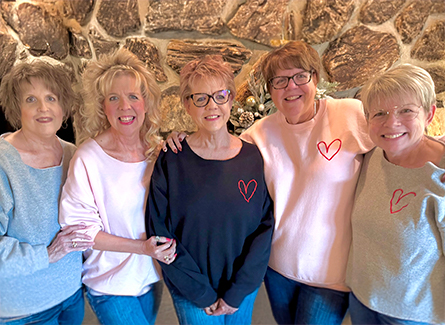
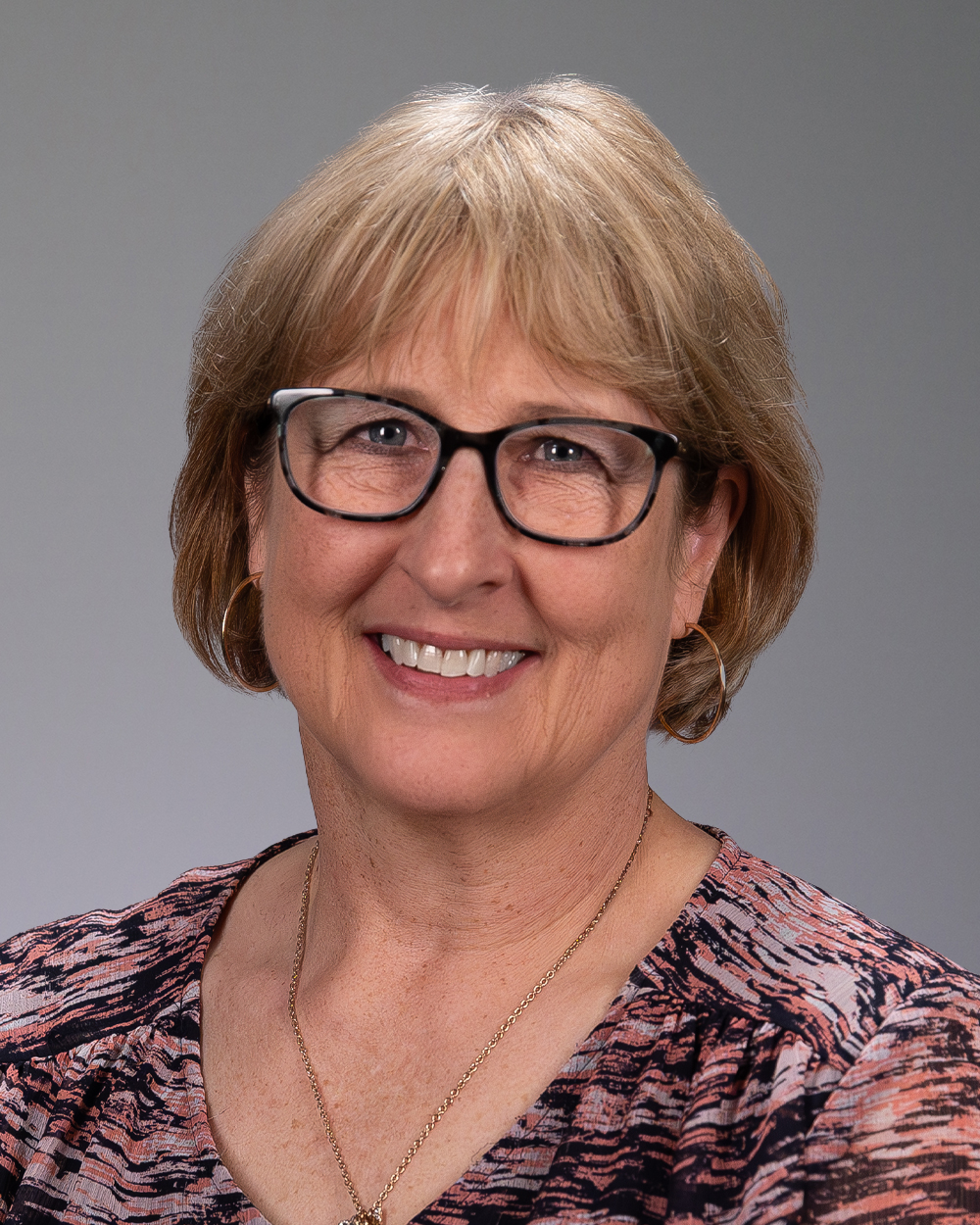
It’s easy to fall out of a routine — especially during a global disruptor like the COVID-19 pandemic. For NKC Health Coder Diane Petty that lapse nearly became life-threatening.
Diane was born with Marfan syndrome, an inherited connective tissue disorder that can weaken the aorta and lead to serious heart complications. Growing up, she always knew regular echocardiograms were essential. For years, she stayed on top of them — until life got busy.
Fortunately, her primary care physician, Kimberly Lenkeit, DO, at NKC Health Primary Care – Briarcliff, refused to let it slide.
“Dr. Lenkeit was pretty insistent on me getting an echo done,” Diane said. “When I finally did, it showed that I had an aneurysm that was getting larger.”
That single test set off a rapid chain of events, not just for Diane, but for nearly her entire family.
A diagnosis that impacted a family
When Diane learned her aneurysm — a weak spot in her aorta — measured 4.8 centimeters, she immediately called her sisters. Because she has Marfan syndrome, doctors usually suggest surgery once the aortic root reaches 4.5 centimeters. This is earlier than for patients without the syndrome because the risk of a life-threatening tear in the aorta rises.
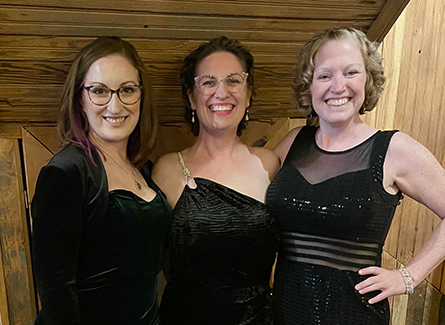
Of Diane’s four siblings, three also inherited Marfan syndrome. Each scheduled echocardiograms of their own. The results were concerning.
“My sister Debbie had surgery first on July 22, 2025, while doctors awaited results for Sandy, who ended up with the largest aneurysm at 6.1 centimeters and had surgery on Aug. 5,” Diane said. “A week later, I had my surgery followed by my son, Max, and my sister, Sharon, in October.”
The timeline was tight but deliberate. Untreated aneurysms can rupture without warning, often with no symptoms at all.
“It’s really a silent killer,” Diane explained. “Once you have a dissection (a serious tear in the aorta wall), your survival rate drops to about 30 percent.”
One surgeon, one team, one extraordinary bond
Diane and her siblings share deep roots at NKC Health. All were born at the hospital. One sister retired after decades of service, and Diane has worked here as a medical coder for almost 20 years.
Now, they share something else: three of the sisters had their heart surgeries done by David Hockmuth, MD, with NKC Health Heart & Lung Surgery.
Three family members, including Diane, were candidates for an advanced, valve-sparing surgery using a minimally invasive sternotomy while the others required full sternotomies (opening the chest) and full valve replacement.
“Marfan syndrome can weaken the aorta, the main artery carrying blood from the heart,” Dr. Hockmuth explained. “During a valve-sparing aortic root procedure, we replace the damaged section of the aorta while preserving the patient’s natural valve. This helps the heart function better and often avoids the need for lifelong blood thinners.”
Waiting too long can cause serious problems, like a tear or rupture in the aorta or a valve that doesn’t work right, which can make the heart fail.
“When the aortic root shows signs of weakness, timing is critical,” Dr. Hockmuth said. “Early intervention can prevent catastrophic complications and preserve long-term heart function.”
The next generation
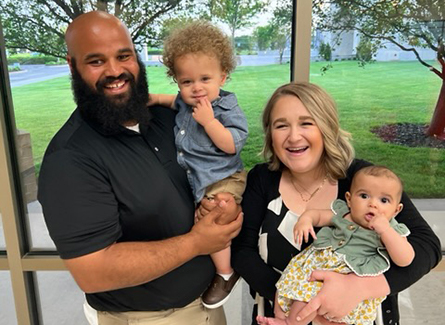
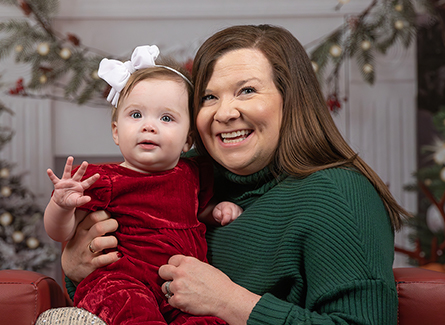
Marfan syndrome doesn’t stop with one generation. Diane’s 31-year-old son, Max, also inherited the condition and underwent his own heart surgery last October. Genetic testing, now available through a simple blood test or cheek swab, will help guide care for future generations, including Diane’s infant grandson.
“The good news is, we know what to look for now,” Diane said. “And we know it can be treated.”
Recovery, gratitude and a new perspective
Despite undergoing open-heart surgery, Diane’s recovery surprised her and her care team.
“My recovery was remarkable,” she said. “I even returned to work early. My sisters and I are all doing great.”
Pain levels and recovery experiences varied among family members, but Diane credits the NKC Health team for their communication, compassion and support both in the ICU and beyond.
“I’ll be forever grateful to Dr. Lenkeit for pushing me to get that echo,” Diane said. “She truly saved my life. And Dr. Hockmuth and his entire team gave us exceptional care. There’s no other place I’d rather be treated.”
That gratitude was felt deeply during the holidays.
“This year was different,” Diane reflected. “We were just so thankful to be together. You don’t realize how much you take family for granted until something like this happens. We all got a second chance.”
A simple reminder
Diane is the first to admit she wishes she hadn’t delayed her screening.
“I kept thinking I was too busy,” she said. “And I didn’t feel any symptoms. But that’s the scary part, there are no symptoms.”
Her message is simple, especially during Heart Month: Stay on top of preventive care. One test can change and save a life.