Broken heart syndrome: When emotional stress affects the heart
February 10, 2026By: Kim Shopper
Categories: Cardiac
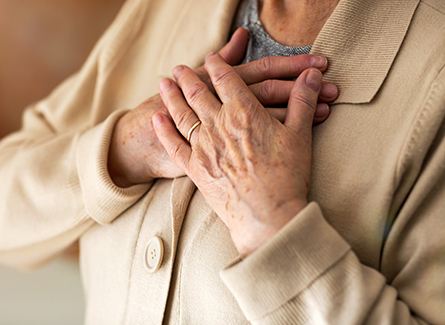
The phrase a broken heart is often used to describe emotional pain after loss, grief or intense stress. But for some people, it is more than a metaphor.
Broken heart syndrome, also known as stress-induced cardiomyopathy or takotsubo syndrome, is a medical condition that temporarily weakens the heart and can feel strikingly similar to a heart attack. It occurs when sudden emotional or physical stress causes a portion of the heart to weaken and change shape.
Broken heart syndrome is not caused by blocked arteries, like a heart attack. Instead, doctors believe intense stress triggers a rush of hormones, such as adrenaline, that briefly stun the heart muscle. This makes it harder for the heart to pump blood and can cause chest pain and shortness of breath that feel a lot like a heart attack.
Causes of broken heart syndrome
This condition is most often linked to intense emotional events, including:
- Death of a loved one
- Breakup or divorce
- Hearing shocking or devastating news
- Extreme fear or panic
- Financial or legal stress
Physical stressors can also trigger the condition, such as a serious illness, surgery or severe pain. While it can happen to anyone, broken heart syndrome is most commonly diagnosed in postmenopausal women.
The symptoms of broken heart syndrome can be alarming and should never be ignored. They often include:
- Sudden chest pain
- Shortness of breath
- Irregular heartbeat
- Dizziness or fainting
Because these symptoms are nearly identical to those of a heart attack, emergency medical care is essential to rule out life-threatening conditions.
Doctors diagnose broken heart syndrome using many of the same tools used to identify heart attacks, including electrocardiograms (EKGs), blood tests and heart imaging. One key difference is that imaging often reveals a distinctive ballooning shape in part of the heart, which led to the name takotsubo, a Japanese word for an octopus trap with a similar shape.
Treatment and recovery
The good news is that broken heart syndrome is usually temporary. Most people recover fully within weeks, with proper medical care and monitoring. Treatment focuses on supporting the heart while it heals and may include medications to reduce stress and manage blood pressure.
Equally important is addressing the emotional or physical stress that triggered the condition. Stress management, counseling and lifestyle changes can play a vital role in recovery and prevention.
While it’s impossible to avoid all stress, developing healthy coping strategies can help protect both emotional health and heart health. Regular exercise, mindfulness, adequate sleep, social connection and seeking help during difficult times may reduce your risk.
If you or someone you love experiences sudden chest pain or shortness of breath, seek medical care immediately.