Don’t let cold weather control your pain
January 20, 2026By: Joel Francis
Categories: Your Wellness
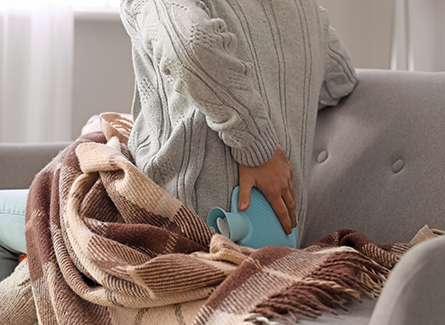
When cold weather hits, dealing with chronic pain becomes even more difficult. Even simple tasks like getting out of bed become more challenging.
When the weather turns cold, people with chronic diseases may suffer twice: first from the weather and second from worsening symptoms.
“Cold weather can make pain worse for a few reasons,” said Lena Sabih, MD, with NKC Health Rheumatology. “Changes in barometric pressure often trigger arthritis flares, while cold temperatures can stiffen muscles and cause soreness. Cold temperatures also make blood vessels tighten, which can reduce blood flow and increase discomfort in some areas.”
While we can’t change the weather, we can take several steps to minimize its impact on the body.
Stay warm. Dress in layers, wear gloves, warm socks and keep your home comfortably heated. This helps keep muscles and joints relaxed. Warm baths, heating pads or compresses can also improve blood flow and ease stiffness.
“Invest in good socks that kind of keep the feet warm and dry,” Dr. Sabih suggested. “Heating pads are safe to use and won’t make your body dependent on them. Just watch your skin for irritation or sensitivity from the heat.”
Stay active. Stretching, yoga or light walking can each make a significant difference in managing pain.
“Keeping your muscles and joints warm and moving can help,” Dr. Sabih said. “Gentle movement and regular activity also help keep joints from tightening up in the cold.”
Maintain healthy habits. Stay hydrated, eat a balanced diet, manage stress and maintain a healthy weight. The positive habits built when the weather is nice, support overall pain management when it turns cold and routines change.
“Physical therapy is one of the best ways to reduce chronic pain and cold sensitivity over time,” Dr. Sabih said. “Eating a healthy diet and taking supplements like omega-3 can also support joint health.”
Watch your mood. It’s not uncommon for less sunlight and colder temperatures to summon depression or increase stress.
“Mood, sleep and pain often connect,” confirmed Dr. Sabih. “When mood suffers, chronic pain can feel worse. Better mood and better sleep can ease pain, while stress or poor sleep can make it harder to manage.”
Listen to your body. Pay attention to pain triggers and change your routine as needed.
“If you notice new or worsening symptoms, talk with your doctor,” Dr. Sabih suggested. “Your doctor can help if you’re struggling with mood, sleep or need a physical therapy referral. They want to help ease your symptoms and get you back on track.”
Need help finding a primary care physician? With more than 35 locations, there’s always a NKC Health practice nearby. Find the right provider near you today.