Alpha-gal syndrome: The tick bite behind red meat allergy
June 2, 2026By: Kim Shopper
Categories: Your Wellness
Key takeaways
- Alpha-gal syndrome is a red meat allergy linked to bites from the Lone Star tick, which can trigger reactions to foods like beef, pork and lamb.
- Unlike most food allergies, symptoms are delayed and often appear three to six hours after eating red meat.
- Symptoms can range from hives and stomach issues to severe reactions like anaphylaxis that require emergency treatment.
- There is no cure, but the condition can be managed by avoiding trigger foods and preventing future tick bites through protective measures outdoors.
Most people think of ticks as a summertime nuisance that can spread illnesses like Lyme disease. But one tick-related condition is gaining attention for a surprising reason: it can make people allergic to red meat.
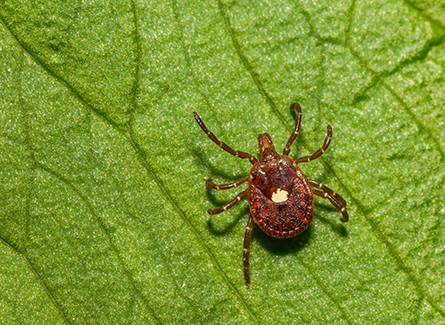
Known as Alpha-gal syndrome (AGS), the condition is linked to bites from the Lone Star tick, which is common in the Midwest and southeastern United States. While still considered relatively rare, cases have increased in recent years as tick populations expand.
What is Alpha-gal syndrome?
Alpha-gal syndrome is an allergic reaction to a sugar molecule called alpha-gal that is found in most mammals. After certain tick bites, the immune system can become sensitive to this molecule.
As a result, eating foods made from mammals can trigger an allergic reaction. Common problem foods include:
- Beef
- Pork
- Lamb
- Venison
- Organ meats
Some people may also react to products made from mammals, including gelatin, dairy products or certain medications.
Why is this allergy unusual?
Unlike most food allergies, symptoms of Alpha-gal syndrome usually do not happen immediately. Reactions often occur three to six hours after eating red meat, which can make the condition difficult to recognize.
Symptoms vary from person to person and may include:
- Hives or itching
- Stomach pain, nausea or diarrhea
- Heartburn or indigestion
- Swelling of the lips, tongue or throat
- Shortness of breath
- Dizziness or fainting
In severe cases, Alpha-gal syndrome can cause anaphylaxis, a life-threatening allergic reaction that requires emergency treatment.
How do people get it?
Researchers believe the condition develops after a tick bite exposes the body to alpha-gal molecules. In the United States, the Lone Star tick is the primary species associated with the syndrome.
Not everyone who is bitten by a tick develops Alpha-gal syndrome, and experts are still studying why some people are more susceptible than others.
How is it diagnosed?
Diagnosis can be challenging because symptoms may not appear until hours after eating. Healthcare providers often review a patient’s symptoms, diet history and possible tick exposure.
Blood tests can help identify antibodies associated with Alpha-gal syndrome.
Can it be treated?
There is no cure for Alpha-gal syndrome, but symptoms can often be managed by avoiding foods and products that trigger reactions.
Some people improve over time, especially if they avoid future tick bites. Others may need to carry emergency medication such as an epinephrine auto-injector or EpiPen in case of severe reactions.
How can you reduce the risk of tick bites?
Experts recommend taking precautions outdoors, especially in wooded or grassy areas:
- Use EPA-registered insect repellents
- Wear long sleeves and pants
- Check your body and clothing for ticks after spending time outside
- Shower soon after outdoor activities
- Remove ticks promptly with tweezers
Awareness is important because many people have never heard of Alpha-gal syndrome until they experience symptoms themselves. Recognizing the connection between tick bites and delayed allergic reactions can help people seek care sooner.
Explore more
- The hidden bacteria lurking in lakes
- Earth Day and grounding: Reconnecting with what sustains us
- What you may not know about anemia