Key takeaways
- Palliative care focuses on improving the quality of life for people living with serious illnesses.
- It can be provided alongside treatments like chemotherapy, radiation and surgery.
- Palliative care helps manage symptoms, reduce stress and support patients and families through treatment and beyond.
When people hear the term "palliative care," they often assume it means end-of-life care. That's one of the most common misconceptions.
In a recent interview, I dispelled that narrative and discussed one of the most misunderstood areas of healthcare and why it can make such a meaningful difference for patients and families facing serious illness.
The most important thing I want people to know is: palliative care is about helping people live as well as possible, for as long as possible.
Here are the top takeaways from our discussion on palliative care and why it matters:
Palliative care is about living well
One misconception I hear almost daily is that palliative care and hospice are the same thing. While hospice care is a form of palliative care provided near the end of life, palliative care is much broader.
Palliative care can benefit people living with serious, chronic or life-threatening illnesses at any stage of their condition. The goal is to make life better and easier by addressing symptoms, concerns and the challenges that come with illness.
You don't have to choose between treatment and comfort
Some people worry that accepting palliative care means giving up on treatment. That's simply not true.
Palliative care can be provided alongside treatments such as chemotherapy, radiation, surgery and other therapies. We work with your care team to support you throughout your treatment journey.
Serious illness affects more than physical symptoms
A diagnosis can impact every aspect of a person's life. Patients often face emotional, spiritual and practical challenges. There are also physical symptoms like fatigue, nausea, shortness of breath, anxiety and difficulty sleeping that take a significant toll on patients and families. Palliative care focuses on identifying and managing these symptoms so patients can spend more energy living their lives rather than managing discomfort.
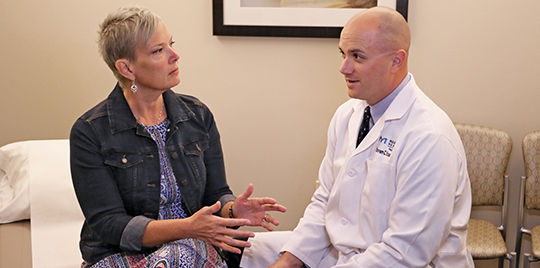
One of the most valuable aspects of palliative care is having the time and opportunity to discuss concerns, ask questions and work through the challenges that come with a diagnosis.
Serious illness affects more than the body
A diagnosis can impact every aspect of a person's life. Palliative care takes a whole-person approach, helping patients and families navigate the stress, uncertainty and life changes that can come with serious illness.
Families need support, too
A serious illness doesn't affect just one person. Family members and caregivers often carry their own fears, worries and responsibilities.
Palliative care helps create opportunities for honest conversations, helping patients and loved ones better understand one another's concerns, wishes and goals. These conversations can reduce stress, build trust and help families make informed decisions together.
The sooner support begins, the better
Many people wait until symptoms become severe or treatment becomes difficult before considering palliative care.
In reality, patients often benefit most when palliative care begins early. Starting sooner provides more opportunities to manage symptoms, address concerns, answer questions and help patients and families feel more supported throughout the course of illness.
Goals of care are important
Every person's definition of quality of life is different.
There is no one-size-fits-all approach to serious illness. Some patients want to focus on maintaining independence. Others want to attend a family event or continue working. One of the most important parts of palliative care is understanding what matters most to each person and aligning care with those goals.
Advance care planning is a gift to your loved ones
One topic I am especially passionate about is advance care planning.
Every adult should consider completing an advance directive to identify who would speak on their behalf if they could no longer speak for themselves. Just as important is having conversations with your loved ones about your wishes.
These discussions can ease the burden on family members during difficult moments and help ensure that future healthcare decisions reflect what matters most to you.
Watch the full conversation
At the end of the day, palliative care is about providing an extra layer of support. Serious illness can be overwhelming, but patients and families don't have to navigate it alone. By addressing symptoms, answering questions and focusing on quality of life, we can help people feel more supported and empowered throughout their care journey.