Key takeaways:
- Many factors that affect blood sugar beyond the food you eat.
- Regular physical activity, quality sleep, hydration and stress management can all support healthy blood sugar levels.
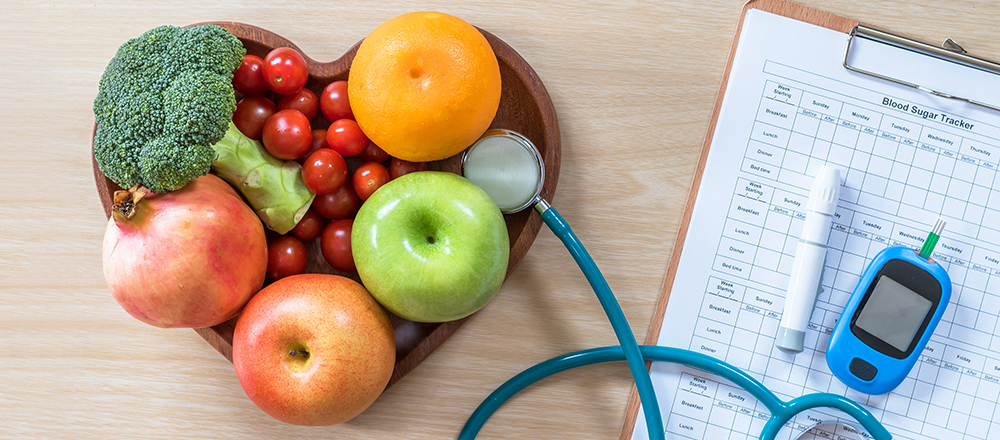
- Tracking your blood sugar alongside sleep, activity, stress and other factors can help you understand changes and have more productive conversations with your health care provider.
When you think about blood sugar, you may first think about carbohydrates, sweets and other foods. But what you eat is only one factor that can affect your blood sugar levels.
Understanding these factors can help you recognize patterns in your blood sugar and make more informed decisions about your health. Here are 10 things that can affect your blood sugar besides food.
1. Physical activity
Exercise can have a significant effect on blood sugar. When you’re physically active, your muscles use glucose for energy, which can lower blood sugar and improve insulin sensitivity.
However, intense exercise can sometimes cause a temporary rise in blood sugar. This happens because your body releases hormones such as adrenaline to provide your muscles with additional energy.
The key is consistency. Regular physical activity can support blood sugar management and overall health.
2. Stress
When you experience physical or emotional stress, your body releases hormones such as cortisol and adrenaline. These hormones can cause your liver to release more glucose into your bloodstream, which may increase blood sugar.
Managing stress through activities such as walking, exercise, relaxation techniques or spending time with friends and family can support your overall health.
3. Sleep
Getting enough quality sleep is important for blood sugar regulation. Poor or insufficient sleep can make your body less sensitive to insulin and may contribute to higher blood sugar levels. Over time, consistently poor sleep can make blood sugar management more difficult.
Most adults should aim for seven to nine hours of sleep each night. Maintaining a consistent sleep schedule and creating a relaxing bedtime routine can help support better sleep.
4. Illness
When your body is fighting an infection or illness, it releases stress hormones that can increase blood glucose. This is one reason people with diabetes may see higher blood sugar levels when they’re sick.
If you have diabetes, ask your health care provider what you should do to monitor and manage your blood sugar when you’re ill.
5. Medications
Certain medications can affect blood sugar levels. Corticosteroids, such as prednisone, are one example of medications that can increase blood glucose. Other medications may also affect blood sugar depending on the medication and the individual.
If you notice unexpected changes in your blood sugar after starting a medication, talk with your health care provider. Don't stop taking a prescribed medication without discussing it with them first.
6. Hormonal changes
Menstruation, pregnancy, menopause and other hormonal changes may affect blood sugar levels or insulin sensitivity. Some women notice predictable changes at certain points in their menstrual cycle, for example.
Tracking your blood sugar and sharing patterns with your health care provider can help you understand what’s happening and make informed decisions about your care.
7. Dehydration
When you're dehydrated, there is less fluid in your bloodstream, which can make the concentration of glucose in your blood higher. At the same time, high blood sugar can cause increased urination, which can contribute to dehydration.
Drinking water regularly is a simple way to support hydration and overall health.
8. Caffeine
Your morning coffee may affect your blood sugar, especially if you live with diabetes. Caffeine’s effect on blood sugar is an interesting case. In some cases, it may reduce your chances of developing Type 2 diabetes. But, for some people, it can cause blood sugar to rise temporarily, even when the beverage contains little or no sugar. That’s because everyone's response to caffeine is different.
Keep in mind that what you add to your coffee — such as sugar, flavored syrups or sweetened creamers — can also affect blood glucose. Talk to a member of your care team if you have questions or concerns about caffeine.
9. Alcohol
Some alcoholic beverages contain carbohydrates that can raise blood sugar. Alcohol can also interfere with the liver's ability to release stored glucose, which may cause blood sugar to drop, sometimes several hours after drinking.
If you have diabetes, talk with your health care provider about whether alcohol is appropriate for you and how it may affect your blood sugar.
10. Time of day
Blood sugar can change throughout the day, even when your routine stays relatively consistent. For example, some people experience a rise in blood sugar in the early morning because of natural hormonal changes. This is sometimes called the dawn phenomenon.
Your blood sugar may also respond differently to food, exercise and other activities depending on the time of day.
When should I talk to a health care provider about my blood sugar?
If you live with diabetes and consistently have blood sugar readings that are higher or lower than your target range, experience unexplained changes or have concerns about your blood sugar, talk with a diabetes care specialist. They can help determine potential causes and whether you need additional testing or treatment.