Key takeaways
- Learn the meaning behind common diabetes terms like glucose, A1C, insulin resistance, CGM and GLP-1 medications to feel more confident managing your health.
- Discover how the history of diabetes, from the discovery of insulin to today’s advanced technology, has transformed diabetes care and treatment.
- Understand why knowing your numbers, including blood sugar and blood pressure, plays an important role in protecting your long-term health.
A beginner’s guide to understanding the words, history and science behind diabetes
Imagine moving to a new country where everyone speaks a language you don’t understand.
That uncertainty is what can happen at your doctor’s appointment when you hear words like “glucose,” “A1C,” “insulin resistance” and “CGM.” Someone mentions carbohydrates, blood pressure, neuropathy and GLP-1 medications. You nod politely, but inside, you may feel overwhelmed.
For many people newly diagnosed with diabetes, that’s exactly what the experience feels like.
Diabetes doesn’t just change your health routine. It introduces an entirely new vocabulary — one filled with medical terms, numbers, abbreviations and concepts that can feel intimidating at first.
But here’s the good news: every expert once started as a beginner. And don’t worry, there isn’t a test at the end.
First, what is diabetes?
Diabetes is a condition that affects how your body uses glucose, also called blood sugar.
Glucose is your body’s main source of energy. It comes from the foods you eat and travels through your bloodstream to your cells, where it’s used as fuel.
To move glucose from your blood into your cells, your body uses a hormone called insulin, which is made by the pancreas.
When that process doesn’t work properly, glucose builds up in the bloodstream instead of being used for energy. Over time, high blood sugar can damage blood vessels, nerves and organs.
That’s diabetes in its simplest form.
But the story, and the language surrounding it, goes back thousands of years.
The surprising history behind diabetes
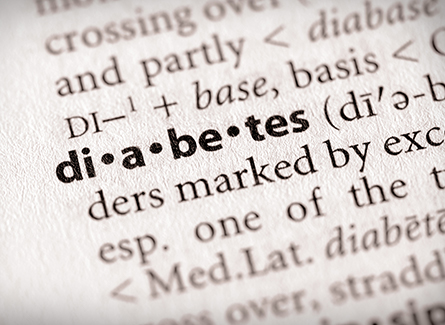
The word “diabetes” comes from a Greek word meaning “to pass through,” referring to one of the earliest symptoms doctors noticed: excessive urination.
Later, physicians added the word “mellitus,” which is Latin for “honey-sweet.”
Why? Ancient doctors discovered that urine from people with diabetes tasted sweet because it contained excess sugar.
Thankfully, modern medicine has evolved far beyond those early diagnostic methods.
For centuries, diabetes was poorly understood and often fatal. Before insulin was discovered in 1921, many people, especially children with Type 1 diabetes, had very limited treatment options.
The discovery of insulin changed everything.
Today, people with diabetes have access to advanced medications, wearable technology, personalized nutrition guidance and tools that earlier generations could never have imagined.
Science is cool, kids.
Still, the terminology can feel like learning a whole new dialect.
Let’s break down some of the most common words you may hear.
Your diabetes vocabulary guide
Glucose
Glucose is a type of sugar your body uses for energy.
You may hear:
- Blood glucose
- Blood sugar
- Glucose levels
These terms are often used interchangeably.
Think of glucose as fuel. Your body needs it — just not too much or too little.
Insulin
Insulin is a hormone made by the pancreas that helps move glucose from the bloodstream into the body’s cells.
Without enough insulin, or when the body doesn’t respond to insulin properly, blood sugar rises.
A1C
The A1C test measures your average blood sugar levels over about three months.
Unlike a single finger-stick reading, the A1C provides a bigger-picture view of how glucose has been managed over time.
You might hear numbers like:
- 5.7% or lower: normal
- 5.7%–6.4%: prediabetes
- 6.5% or higher: diabetes
Your care team will help determine your personal goals.
Type 1 vs. Type 2 diabetes
|
Type 1 diabetes Type 1 diabetes is an autoimmune condition. The body mistakenly attacks the insulin-producing cells in the pancreas, meaning the body produces little or no insulin. People with Type 1 diabetes require insulin therapy. Worldwide, about 9.2 million people have Type 1 diabetes, including approximately 1.45 million people in the United States. |
Type 2 diabetes Type 2 diabetes occurs when the body becomes resistant to insulin or doesn’t produce enough insulin to keep blood sugar controlled. This is the most common form of diabetes, affecting approximately 589 million adults globally and about 38 million Americans. |
Insulin resistance
Insulin resistance means the body’s cells stop responding effectively to insulin.
Imagine insulin as a key and your cells as locked doors. With insulin resistance, the key no longer works smoothly, so glucose stays in the bloodstream instead of entering the cells.
CGM (Continuous Glucose Monitor)
A CGM is a wearable device that tracks glucose levels throughout the day and night.
Instead of relying only on finger-stick checks, CGMs provide real-time trends and alerts that can help people better understand how food, activity, stress and sleep affect blood sugar.
For many people, a CGM can turn diabetes data into useful patterns and insights.
GLP-1 medications
GLP-1 stands for glucagon-like peptide-1, a hormone that helps regulate blood sugar and appetite. This is a naturally occurring hormone.
However, GLP-1 medications help the body release insulin more effectively, slow digestion and reduce appetite.
These medications have become increasingly common in treating Type 2 diabetes and, in some cases, obesity.
Blood pressure
People with diabetes often hear about blood pressure because diabetes can increase the risk of heart disease and blood vessel damage.
Managing blood pressure is an important part of protecting long-term health. You’ll usually see blood pressure written as two numbers, such as 120/80 mmHg.
- The top number, called systolic pressure, measures the pressure when your heart beats.
- The bottom number, called diastolic pressure, measures the pressure when your heart rests between beats.
For many adults, a normal blood pressure is considered below 120/80 mmHg.
Carbohydrates
Carbohydrates, often shortened to “carbs”, are the body’s primary source of glucose.
Foods like bread, pasta, fruit, rice, milk and sweets contain carbohydrates.
Learning how carbs affect blood sugar is one of the foundational skills many people develop after diagnosis.
Hypoglycemia and hyperglycemia
These are two long words that simply describe blood sugar levels that are too low or too high.
|
Low blood sugar. Symptoms may include:
|
High blood sugar. Symptoms may include:
|
More than medical words
For some people, these words become empowering over time. Understanding glucose trends can help someone feel more in control. Learning how medications work can reduce fear. Knowing what questions to ask can build confidence at appointments.
But the language of diabetes is about more than definitions, and it’s also okay if it feels overwhelming at first.
No one expects you to become fluent overnight. Take comfort that diabetes educators do know all of this, and they are here to help you navigate the challenges associated with diabetes.
You don’t have to learn it all today
If you’re newly diagnosed, give yourself permission to learn one word at a time.
- Ask questions
- Write things down
- Bring someone with you to appointments
- Request explanations in plain language
- Take notes on unfamiliar terms
A diabetes diagnosis is not a test you’re expected to pass immediately. It’s a journey of learning, adjusting and growing — and every question you ask is a step forward.
Whether you’re newly diagnosed, managing long-term diabetes or supporting a loved one, NKC Health’s diabetes care team is here to help you better understand your health and build confidence in your care journey.