Holiday guide for people living with diabetes: Tips for a healthier celebration
November 14, 2025By: Melissa Zalonis
Categories: Diabetes
The holiday season is a time of joy, family gatherings and indulgent meals, but for people managing diabetes, it can also be a minefield of hidden sugars and carb-heavy dishes.
From Christmas feasts featuring mashed potatoes, stuffing and pies to Ramadan iftars filled with rice dishes, breads and sweet desserts, celebrations across cultures often center around foods that can send blood glucose levels soaring.
Fortunately, with the right strategies, you can enjoy festive favorites and balance blood glucose levels with just a little bit of compromise. Here is some expert advice, practical tips and diabetes-friendly swaps so you can focus on what matters most: time with loved ones.
Smart swaps for holiday classics
By making simple substitutions, you can still enjoy holiday traditions while keeping your health in check. These simple swaps support better blood sugar control to help you manage diabetes.
| Traditional ingredient | Diabetes-friendly swap | What is the benefit? |
| Butter | Plant-based oils |
Plant oils (like olive or canola) contain unsaturated fats that support heart health. Butter is high in saturated fat, which can raise LDL (“bad”) cholesterol — a higher risk for people living with diabetes Oils also help improve insulin sensitivity compared to butter. |
| Eggs | Flax seed |
Ground flaxseed mixed with water can replace eggs in baking. Flax is rich in fiber and omega-3 fatty acids, both of which improve heart health. The fiber helps slow glucose absorption, unlike eggs, which don’t offer fiber. |
| White flour | Whole-wheat flour |
Whole wheat has fiber, vitamins and minerals that refined white flour lacks. Fiber slows digestion and helps prevent rapid spikes in blood sugar. Whole grains are linked to a lower risk of type 2 diabetes and better long-term glucose control. |
| Sour cream, mayo or heavy cream | Greek yogurt |
Greek yogurt has more protein and less fat than sour cream or heavy cream. The extra protein helps stabilize blood sugar and keeps you full longer. It also has probiotics, which can support gut health and may improve insulin sensitivity. |
| White rice | Whole grains and vegetables |
White rice is quickly digested and can spike blood sugar. Whole grains (like quinoa, barley and brown rice) and non-starchy veggies provide fiber and nutrients. Whole grains offer a lower glycemic index, leading to steadier blood sugar control. |
| Mashed potatoes | Mashed cauliflower |
Potatoes are starchy and raise blood sugar quickly. Cauliflower is low-carb, lower-calorie and high in fiber and provides the same creamy texture without the glucose surge. |
| Bread stuffing | Whole-grain and veggie stuffing |
Traditional stuffing made with white bread is high in refined carbs. Whole-grain bread plus vegetables adds fiber, vitamins and minerals and makes the dish more filling and blood-sugar friendly. |
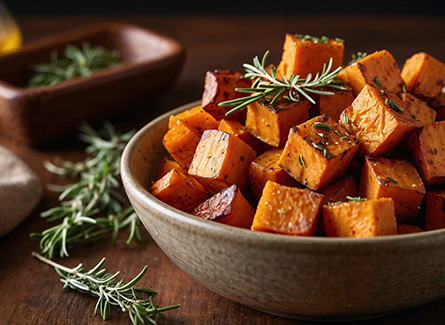
| Sweet potatoes with marshmallows | Plain roasted sweet potatoes |
Marshmallows add a big dose of sugar with no real nutritional value, which can cause blood sugar to spike. Roasting sweet potatoes brings out their natural sweetness without needing extra sugar. Sweet potatoes already provide fiber, vitamins and minerals and help slow glucose absorption and keep energy steady. |
The plate method: Your holiday hero
Now that the meal is prepped, it’s time to fill your plate. A simple visual trick can make all the difference. The plate method is an easy way to enjoy your holiday favorites without stressing over numbers or complicated tracking. Here’s how it works:
- ½ plate: Colorful, non-starchy veggies — think roasted carrots, green beans or a fresh salad
- ¼ plate: Lean protein like turkey breast, baked chicken or fish
- ¼ plate: Holiday carbs like sweet potatoes, stuffing or a casserole
By using this guide, you’ll balance your meals, keep portions in check and enjoy the best of the season without sending your blood sugar soaring.
Don’t forget your drink
When most people think about sugar, they often forget to consider what’s in their glass. Beverages can be a sneaky source of added sugar, especially during the holidays. In fact, sugary drinks are the leading source of added sugars in the American diet. Just one 12-oz soda can pack up to 40g of sugar, far exceeding the recommended daily limit of 25g for women and 36g for men. Instead, try these:
- Water
- Unsweetened tea
- 100% fruit or vegetable juice
Remember to limit alcohol and closely monitor your blood sugar.
Food for thought
The holidays are a time for joy, connection and yes, plenty of tempting treats. If you're managing diabetes, a little planning can go a long way. As we wrap up your holiday prep, keep these quick tips in mind to help you stay balanced, energized and in control:
- Don’t skip meals to “save room”; this can lead to blood sugar dips and overeating.
- Physical activity helps stabilize blood glucose. After your holiday meal, go for a walk, play with family or engage in light exercise.
- Explore healthy holiday recipes for people managing diabetes.
- Keep an eye out for hidden sugars: Go for fresh or frozen fruits instead of canned.
If you want some extra support this holiday season, speak with one of our diabetes educators at NKC Health, who are here to guide you with expertise and compassion. Schedule an appointment with your doctor at NKC Health today.
Explore more

Related Stories