After Bariatric Surgery
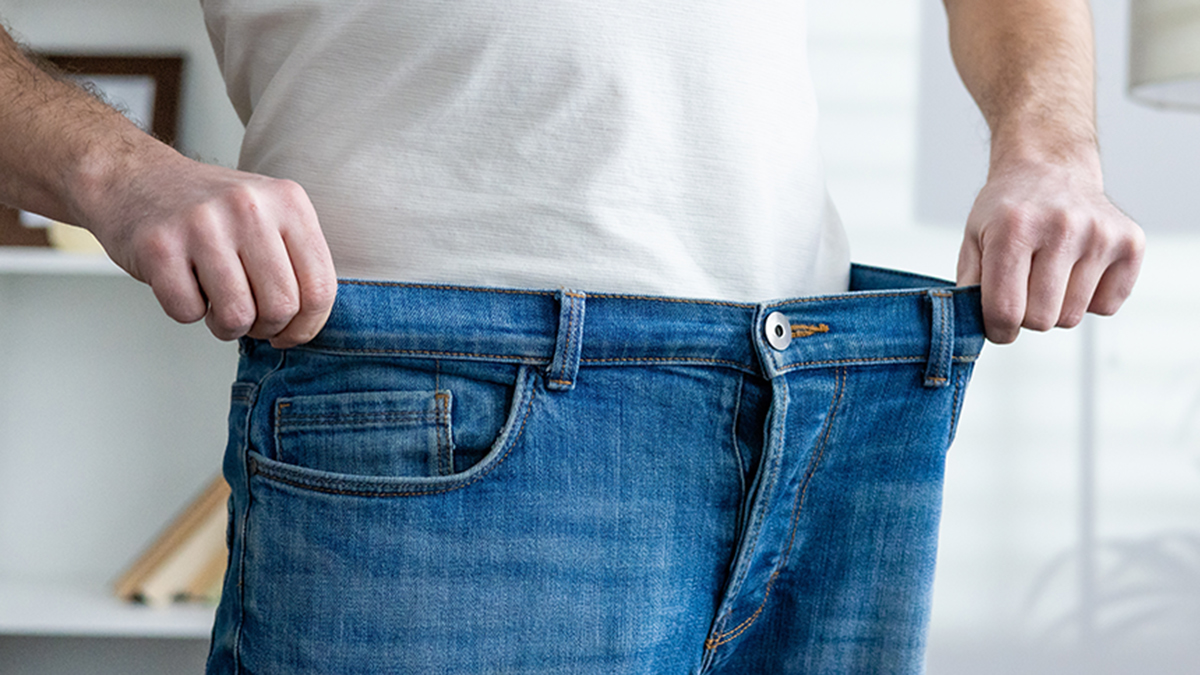
- Most patients recover quickly from bariatric surgery — returning to light activity within two weeks — and lose 50%-80% of excess weight within 12-18 months.
- Follow-up visits, high-protein meals, daily vitamins and regular exercise are key to safe recovery and long-term success.
- Common side effects like constipation, hair loss and loose skin are usually manageable, and support groups can help with lifestyle changes.
After bariatric surgery, most people stay in the hospital one to two nights, then return to light activity within two weeks. Most lose significant weight over 12-18 months before shifting to long-term maintenance. Ongoing follow-up visits, vitamin supplements, a high-protein diet, regular exercise and support groups all play a key role in recovery, managing side effects and maintaining lasting results.
After your bariatric procedure, you will stay in the hospital one or two nights. Bariatric surgery recovery time depends on the type of procedure. You will be up and walking within 24 hours to help prevent blood clots. Most people return to normal, light activity within 10 days to two weeks. You may need to take one or two weeks off before going back to work after weight loss surgery.
You will lose a fair amount of weight in the first three months after surgery. Weight loss varies by procedure, but you could lose 50%-80% of your body weight within 12-18 months after surgery. As time passes, your weight loss becomes slower. That’s because your body adjusts over time. About one year after surgery, you will move from weight loss to weight maintenance.
Side effects of weight loss surgery
You may have constipation after surgery because of decreased intake of food, fiber and fluids. To reduce this risk, make sure you reach your daily protein and fluid goals. If you need a fiber supplement, take Benefiber® or Metamucil Clear and Natural®. Remember to drink more fluids if you take a fiber supplement. If needed, take Miralax® stool softener.
Hair loss after bariatric surgery is a common — although temporary — side effect during the first few months of rapid weight loss and stress on the body. In most cases, hair grows back six to 12 months after surgery.
Loose skin is another common side effect due to rapid and significant weight loss. Saggy, excess skin may appear on your abdomen, thighs, arms and neck. Strength training can help fill out some of the space previously occupied by fat. Some people consider skin removal surgery after bariatric surgery once their weight is stable.
Follow up appointments
Follow-up appointments are an important part of the Total Weight Loss bariatric surgery program. At each visit, you will meet with your surgeon and dietitian to talk about how you’re doing, what’s working and challenges you’re facing. Post surgery, plan to attend follow-up visits after:
- 1 week
- 6 weeks
- 3 months
- 6 months
- 9 months
- 1 year
- Annually, after the first year
Diet after bariatric surgery
After surgery, you will feel fuller faster and won’t be able to eat as much food. To avoid malnutrition, you will need to take bariatric surgery vitamins and nutrition supplements.
Here are general guidelines to follow:
- Schedule your meals and snacks evenly spaced throughout the day.
- Do not skip meals.
- Eat three protein-centered meals each day.
- Drink a protein drink and take a protein supplement between meals until you can meet your protein goals with food alone.
- Eat protein first at every meal. (Men: 70-80 grams per day; women: 60-70 grams per day)
- Sip 64 ounces of non-carbonated, sugar-free beverages between meals.
- Limit caffeine and coffee. If you must drink caffeine, limit intake to two 8-ounce cups per day.
- Don’t use drinking straws.
- Do not drink 30 minutes before a meal, with your meal or for 30 minutes after your meal.
- Eat slowly. Chew to the consistency of baby food. Meals should take 20-30 minutes.
Avoid alcohol after bariatric surgery. Alcohol will have much stronger effect after surgery — one drink could feel like two or more. Alcohol contains empty calories that can affect your weight loss and can also cause complications. If you choose to drink alcohol, wait at least one year after surgery and choose low-calorie options.
Our Baritastic app can help you track your nutrition after surgery.
Exercise after bariatric surgery
Begin exercising soon after surgery. Start with light walking for 5-10 minutes at a time to prevent blood clots. Gradually increase to 30 minutes per day. Your goal is at least 150 minutes of exercise per week.
Your care team will provide a specific exercise plan and recommend activities as you recover from surgery. If you have pain, do what you can. Consider doing water exercises because they don’t put much pressure on your joints.
Other tips to get more exercise into your day: Try parking farther away, taking the stairs, and pumping your legs up and down while watching TV.
Learn more about exercise at Total Weight Loss.
Bariatric surgery support group
The choice to have bariatric surgery comes with many challenges, from a new way of eating to side effects and lifestyle changes. Talking to other people who are on the same journey can help. We encourage you to attend our free monthly weight loss support group.
Attend a bariatric surgery support group.
Pregnancy and weight loss surgery
Pregnancy after bariatric surgery is generally safe. In fact, bariatric surgery can reduce pregnancy risks associated with severe obesity, such as gestational diabetes and preeclampsia. If you are considering pregnancy, wait one to two years for your weight to stabilize. Rapid weight loss often improves fertility, making it more likely you will conceive more quickly. Getting pregnant too soon after bariatric surgery can increase your baby’s risk of being underweight or born early.
How long will I be off work after bariatric surgery?
Most people need to take one to two weeks off work.
Will I have diarrhea after bariatric surgery?
Diarrhea isn’t common among our patients. Occasional constipation is a more common complaint after surgery.
How soon can I drive after bariatric surgery?
Most people can drive within one to two weeks, once they are off pain medication and feel comfortable moving.
When will my weight loss slow down?
Weight loss is fastest in the first three to six months. It gradually slows as your body adjusts, usually around one year after surgery.
Will I need vitamins for the rest of my life?
Yes. Lifelong bariatric vitamins and supplements help prevent nutrient deficiencies after surgery.